How To Make Sushi Rice (Perfect Every Time) Recipe
Introduction
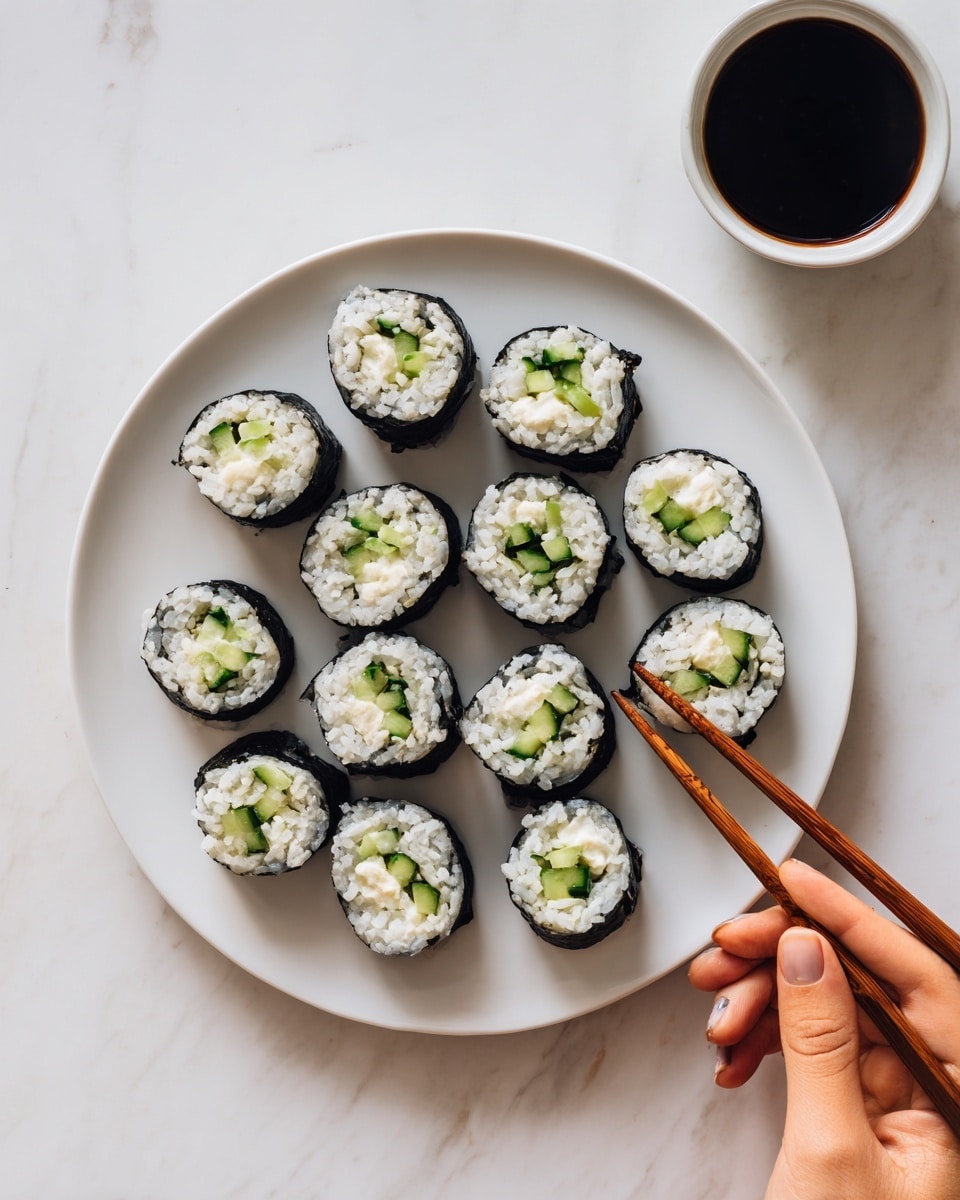
Perfect sushi rice is the foundation of any great sushi or poke bowl. This recipe guides you through rinsing, cooking, and seasoning sushi rice to achieve the ideal texture and flavor every time.
Ingredients
- 1 ½ cups sushi rice
- 1 ½ cups + 1 tbsp water (for rice cooker method)
- 1 ⅜ cups (330 ml) water (for stovetop method)
- ¼ cup rice vinegar
- 2 tbsp sugar
- 1 tsp salt
Instructions
- Step 1: Place the sushi rice in a large bowl and rinse it under running cold water using a circular motion with your hand until the water runs clear.
- Step 2: Drain the rice carefully using a sieve or gentle pouring to retain all grains.
- Step 3: Rice cooker method: Transfer the rinsed rice to the rice cooker bowl, add 1 ½ cups plus 1 tbsp of water, and let it soak for 30 minutes. Use the sushi rice setting if your cooker has one, then start cooking.
- Step 4: Once cooked, turn off the rice cooker and let the rice rest with the lid closed for 10–15 minutes to finish steaming.
- Step 5: Stovetop method (alternative): Place the rinsed rice and 1 ⅜ cups of water in a pot and soak for 30 minutes. Bring to a boil with the lid on, then reduce heat to low and cook for 8 minutes without lifting the lid.
- Step 6: Remove the pot from heat and let it sit, still covered, for 10–15 minutes to steam through.
- Step 7: In a small saucepan, combine rice vinegar, sugar, and salt. Bring to a boil, then remove from heat and stir until sugar and salt dissolve.
- Step 8: Transfer the cooked rice to a large bowl and pour the hot vinegar mixture evenly over it. Gently toss with a wooden spatula or rice paddle to coat all grains without mashing the rice.
- Step 9: Cover the bowl with a damp tea towel to prevent drying and leave it at room temperature until completely cool.
- Step 10: Use the prepared sushi rice immediately for making sushi rolls or assembling poke bowls.
Tips & Variations
- Use a wooden spatula or rice paddle to gently mix the vinegar into the rice, avoiding crushing the grains for the best texture.
- If you prefer a less sweet flavor, reduce the sugar slightly in the vinegar mixture.
- Allowing the rice to soak before cooking helps achieve a soft, sticky texture ideal for sushi.
- Use a fan or gently wave a piece of cardboard above the rice while mixing in the vinegar to help cool the rice quickly and give it a nice sheen.
Storage
Store leftover sushi rice covered at room temperature for up to one day. Avoid refrigeration as it can harden the rice. To reheat, sprinkle a little water on the rice and warm gently in the microwave, covered with a damp paper towel to retain moisture.
How to Serve
Serve this delicious recipe with your favorite sides.
FAQs
Can I use regular white rice instead of sushi rice?
Sushi rice is a short-grain rice that becomes sticky when cooked, which is essential for sushi. Regular long-grain rice won’t have the right texture and may not hold together well.
Why do I need to rinse sushi rice before cooking?
Rinsing removes excess surface starch from the rice, preventing it from becoming too gummy and ensuring a clean, fluffy texture after cooking.
PrintHow To Make Sushi Rice (Perfect Every Time) Recipe

Master the art of perfect sushi rice every time with this easy-to-follow recipe. Learn how to rinse, cook, season, and cool sushi rice using either a rice cooker or stovetop method to achieve the ideal sticky texture and delicate flavor, perfect for sushi rolls or poke bowls.
- Prep Time: 40 minutes
- Cook Time: 15 minutes
- Total Time: 55 minutes
- Yield: 3 servings 1x
- Category: Side Dish
- Method: Stovetop
- Cuisine: Japanese
- Diet: Gluten Free
Ingredients
Rice
- 1 ½ cups sushi rice
- 1 ½ cups + 1 tbsp water (for rice cooker method)
- 1 ⅜ cups (330 ml) water (for stovetop method)
Seasoning
- ¼ cup rice vinegar
- 2 tbsp sugar
- 1 tsp salt
Instructions
- Rinse Rice: Place the sushi rice in a large bowl and wash it under running cold water using a circular motion with your hand until the water runs clear to remove excess starch.
- Drain Rice: Carefully drain the water using a sieve or gentle pouring to keep all the rice grains.
- Cook Sushi Rice in a Rice Cooker: Transfer the rinsed rice to the rice cooker, add 1 ½ cups plus 1 tbsp water, and let the rice soak for 30 minutes. If available, select the ‘sushi rice’ cooking setting and start the cooker.
- Rest Rice After Cooking: When cooking finishes, leave the rice inside the cooker with the lid closed for 10-15 minutes to steam evenly.
- Alternatively, Cook Sushi Rice on Stovetop: In a pot, combine rinsed rice with 1 ⅜ cups water, soak for 30 minutes, then bring to a boil with lid on. Reduce heat to low and cook for 8 minutes without removing the lid.
- Rest Rice After Stovetop Cooking: Remove from heat and let it sit covered for another 10-15 minutes to finish steaming.
- Make Sushi Vinegar: In a small saucepan, combine rice vinegar, sugar, and salt. Heat until boiling, then remove from heat and stir until sugar and salt are fully dissolved.
- Season Rice: Transfer the hot cooked rice to a large bowl. Drizzle the hot vinegar mixture evenly over the rice and gently toss with a wooden spatula or rice paddle to coat all the grains without mashing.
- Cool Rice: Cover the bowl with a damp tea towel to prevent drying out and leave at room temperature to cool completely.
- Serve: Use the prepared sushi rice immediately for rolling sushi or making poke bowls.
Notes
- Rinsing the rice thoroughly removes excess starch and prevents clumping.
- Soaking rice before cooking helps achieve optimal texture.
- Do not lift the lid while cooking on stovetop to keep steam trapped.
- Use a wooden spatula or rice paddle for gentle mixing to avoid crushing the rice.
- Serve sushi rice at room temperature for best results.
- Do not refrigerate sushi rice after seasoning as it will harden.
Keywords: sushi rice, sushi rice recipe, how to make sushi rice, Japanese rice, sushi preparation, rice vinegar seasoning, sticky rice