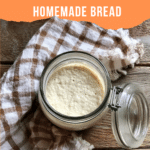
Healthy Sourdough Starter Recipe
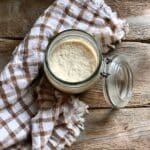
A sourdough starter is a natural leavening agent made from just flour and water. It captures wild yeast and beneficial bacteria from the environment, creating a bubbly, tangy culture to help bread rise without commercial yeast. This recipe guides you through the simple daily feeding and fermentation process to develop a lively sourdough starter.
- Prep Time: 5 minutes
- Cook Time: 0 minutes
- Total Time: 7 days (daily 5-minute maintenance)
- Yield: Approximately 200 grams of active sourdough starter 1x
- Category: Baking
- Method: No-Cook
- Cuisine: Universal
- Diet: Vegan
Ingredients
Scale
Starter Ingredients
- 100 grams (3/4 cup) all-purpose flour or whole wheat flour
- 100 milliliters (3.4 fl oz) lukewarm water
Instructions
- Mix the Flour and Water: In a clean jar, combine equal parts flour and lukewarm water by weight (typically 100 grams each). Stir until smooth with no dry flour patches.
- Initial Fermentation: Cover loosely with a cloth or lid and leave at room temperature (70-75°F) for 24 hours to allow wild yeast and bacteria to start fermenting.
- Daily Feeding: Each day, discard half of the starter mixture and feed it with equal parts fresh flour and water by weight (100 grams each). Mix thoroughly and cover again.
- Repeat the Process: Continue daily feedings and keep the starter at a consistent room temperature. Over 5-7 days, you will notice bubbles, a rise in volume, and a pleasant tangy aroma indicating an active starter.
- Ready for Baking: When the starter doubles in size within 4-6 hours of feeding and passes the float test (a small amount floats in water), it is ready to use for sourdough bread recipes.
Notes
- Use non-chlorinated water to avoid inhibiting yeast growth.
- Maintain a warm, stable environment to encourage fermentation.
- Whole wheat or rye flour can speed up fermentation compared to all-purpose flour.
- Discarding some starter before feeding keeps the acidity balanced and prevents overgrowth.
- If not baking daily, store starter in the refrigerator and feed weekly.
Keywords: sourdough starter, natural leavening, fermentation, homemade yeast, baking, bread starter
Find it online: https://dylangranv.com/healthy-sourdough-starter-recipe/